Neofood Neophobia: The Developmental Window of Children's Taste Acceptance

Aug 29, 2025 By

In the intricate journey of childhood development, the emergence of eating behaviors and taste preferences represents a critical yet often overlooked domain. Among the various challenges parents face, neophobia—the reluctance or refusal to try new foods—stands out as a particularly common phase. This phenomenon, while frustrating for many caregivers, is deeply rooted in our biological and psychological evolution. Understanding its dynamics, especially during key developmental windows, can transform how we approach children's nutrition and long-term health.

Neophobia typically manifests between the ages of two and six, a period when children are rapidly developing autonomy and awareness of their environment. From an evolutionary perspective, this hesitation toward unfamiliar foods likely served as a protective mechanism against potential toxins or harmful substances. In modern contexts, however, this innate caution can clash with parental efforts to introduce diverse, nutritious diets. The tension between a child's suspicion and a caregiver's encouragement is where much of the struggle lies, but it also opens avenues for strategic intervention.

Research indicates that the window for shaping taste acceptance is not only real but also time-sensitive. Early exposure, particularly during infancy and the toddler years, can significantly influence a child's willingness to try new foods later in life. The first thousand days—from conception to around two years of age—are often cited as a foundational period for taste development. During this time, flavors from the maternal diet are transmitted through amniotic fluid and breast milk, providing the earliest sensory experiences. These exposures can create a familiarity that makes future introductions of similar flavors more acceptable.

As children transition to solid foods, their responsiveness to new tastes remains relatively high, though it begins to narrow as neophobia sets in. This does not mean, however, that opportunities are lost. Repeated, low-pressure exposures to a variety of foods can gradually break down resistance. Studies have shown that it may take up to 15 attempts for a child to accept a new food, emphasizing the need for patience and persistence. The context of these exposures matters greatly; positive mealtime environments, free from coercion or stress, enhance the likelihood of success.

The role of caregivers cannot be overstated. Modeling behavior—where parents or siblings enthusiastically eat a variety of foods—has a powerful impact on children's choices. Conversely, pressure to eat or negative reactions to food rejections can reinforce aversion. Emotional climate at the dinner table often becomes a self-fulfilling prophecy: anxiety begets resistance, while calm encouragement fosters curiosity. It is a delicate balance, requiring awareness and adaptability from adults.

Beyond the household, cultural and societal factors also play significant roles. In societies where diverse diets are the norm and children are regularly included in shared meals, neophobia tends to be less pronounced. Marketing and media exposure further shape perceptions, sometimes negatively by promoting highly palatable but nutritionally poor options. Navigating these external influences is part of the modern challenge of raising healthy eaters.

Interestingly, individual differences among children also affect how neophobia presents. Temperament, sensory sensitivity, and genetic predispositions all contribute to a child's responsiveness to new foods. Some children may never show strong neophobic tendencies, while others might require more tailored approaches. Recognizing that there is no one-size-fits-all solution is key to developing effective strategies.

For parents and educators seeking practical approaches, the evidence suggests a combination of early and varied exposure, positive reinforcement, and patience. Involving children in food preparation—from shopping to cooking—can also demystify new foods and create a sense of ownership. Gardens, whether backyard or classroom projects, offer hands-on experiences that connect children to the origins of their food, reducing uncertainty and fear.

Ultimately, viewing neophobia not as a problem to be solved but as a natural developmental stage can reframe our responses. It is a temporary phase, one that with understanding and supportive practices, most children will outgrow. The goal is not to eliminate caution but to guide it toward healthy openness, building a foundation for lifelong nutritional well-being.

In summary, the developmental window for taste acceptance is both biological and behavioral, influenced by early exposures, environmental cues, and individual differences. By leveraging this knowledge, we can better support children in forming diverse and healthy eating habits that last a lifetime.
Recommend Posts
Food

Food Bank Logistics: Cold Chain Donations and Decentralized Distribution Networks

By /Aug 29, 2025

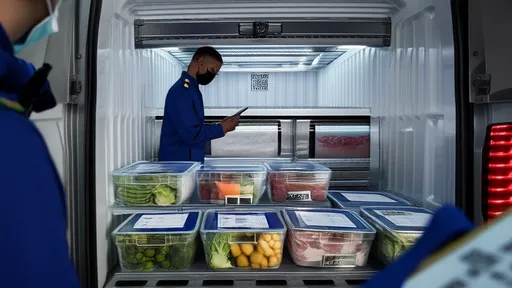
In the intricate dance of combating hunger, food banks operate as the vital choreographers, coordinating a complex ballet of donations and distributions. The logistics underpinning these operations are not merely about moving food from point A to point B; they represent a sophisticated, life-sustaining network that must balance urgency with safety, generosity with efficiency. At the heart of this modern endeavor lies a critical, often underappreciated component: the cold chain. For perishable items like dairy, meat, and fresh produce—nutritional powerhouses essential for a healthy diet—maintaining an unbroken temperature-controlled environment from donor to recipient is not a luxury; it is an absolute necessity. This logistical marvel, combined with an evolving model of distributed distribution networks, is fundamentally reshaping how communities address food insecurity, ensuring that nourishment retains its quality and dignity is preserved in the process.
Food

Food System Forecast: Technological Integration Pathways for Climate-Smart Agriculture

By /Aug 29, 2025

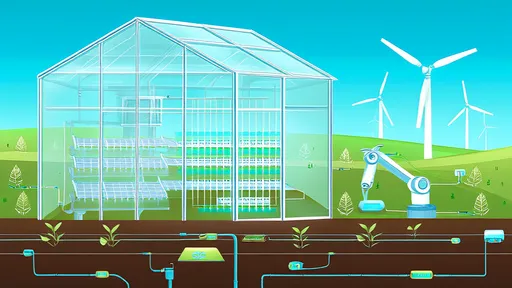
As global food systems brace for the compounding pressures of population growth and climate volatility, the integration of climate-smart agricultural technologies has transitioned from a theoretical ideal to an operational necessity. The intricate dance of increasing yields, enhancing resilience, and reducing agriculture's environmental footprint demands a sophisticated, systems-level approach. This is not merely about adopting a new piece of hardware or software; it is about fundamentally re-architecting the agricultural lifecycle through strategic technological fusion.
Food

Coffee Rust Crisis: The Northward Trend of Pathogens under Global Warming

By /Aug 29, 2025

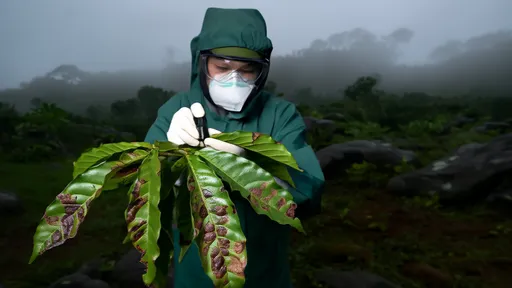
The rust-colored patches first appeared on the undersides of leaves in the high-altitude farms of Nicaragua, a worrying sight for farmers who had never encountered such markings before. Within weeks, entire plantations showed signs of the creeping infection that would eventually become known as the Great Coffee Rust Crisis of the 2020s. What began as isolated incidents in Central America has now evolved into a global agricultural emergency, with the pathogenic fungus Hemileia vastatrix marching steadily northward into regions previously considered safe from its destructive path.
Food

Biodegradable Packaging: Performance Comparison between PLA and Cellulose Materials

By /Aug 29, 2025

The landscape of sustainable packaging is undergoing a profound transformation, driven by an urgent global push to reduce plastic pollution. Among the frontrunners in this green revolution are two distinct classes of materials: Polylactic Acid (PLA), a bioplastic derived from plant sugars, and various forms of cellulose-based materials, often sourced from wood pulp or agricultural waste. While both promise a greener alternative to conventional plastics, their performance characteristics, environmental footprints, and practical applications paint a complex and nuanced picture for manufacturers, brands, and consumers alike.
Food

MSC Certification Controversy: The Dilemma of Sustainable Fishing Standards Enforcement

By /Aug 29, 2025

The blue MSC label has become a ubiquitous sight on supermarket seafood counters, a symbol of conscientious consumption that assures buyers their purchase supports healthy oceans. For over two decades, the Marine Stewardship Council’s certification has been the gold standard for sustainable fishing, a beacon of hope in the fraught battle against overfishing. Yet, beneath this veneer of oceanic stewardship, a tempest is brewing. A growing chorus of marine scientists, conservation NGOs, and even some within the industry are raising urgent questions about the integrity of the very standards the MSC represents, pointing to a troubling gap between the promise on the package and the reality in the water.
Food

Food Mile Calculation: Carbon Emission Coefficients for Air, Sea, and Land Transportation

By /Aug 29, 2025

The global food system operates on a complex logistical network that spans continents and oceans, with transportation forming a critical yet often overlooked component of its environmental footprint. As consumers increasingly seek to understand the ecological impact of their dietary choices, the concept of food miles has gained prominence. However, merely counting miles tells an incomplete story; the mode of transport—whether by air, sea, or land—carries vastly different carbon implications. Calculating the carbon emission coefficients for these transportation methods reveals a nuanced picture of how our food reaches the plate and at what cost to the planet.
Food

Challenges in Algal Cultivation: Pros and Cons of Open Ponds vs. Photobioreactors

By /Aug 29, 2025

As global demand for sustainable resources intensifies, algae cultivation has emerged as a promising frontier in biotechnology, agriculture, and renewable energy. The method of cultivation, however, remains a subject of intense debate and strategic consideration. Two primary systems dominate the landscape: the traditional open pond and the more technologically advanced photobioreactor. Each presents a unique set of advantages and profound challenges, shaping the economic and ecological viability of algae-based ventures.
Food

Vertical Farming Energy Consumption: LED Lighting Efficiency and Water Recycling System Energy Ratio

By /Aug 29, 2025

The discourse surrounding vertical farming has evolved from speculative futurism to present-day practicality, yet the conversation remains inextricably tied to one critical factor: energy. Unlike traditional agriculture, which leverages the free and abundant power of the sun, the controlled environment of a vertical farm is an energy-intensive endeavor. The very promise of these systems—maximizing yield per square foot, eliminating pesticides, and bringing production closer to urban centers—hinges on the efficient and intelligent use of electricity. Two components stand as the primary determinants of a farm's operational sustainability and economic viability: the efficiency of its LED lighting systems and the sophistication of its water recirculation infrastructure.
Food

Cell Culture Cost: Opportunities for Cost Reduction in Media Formulation and Bioreactor Systems

By /Aug 29, 2025

The landscape of biopharmaceutical manufacturing has undergone seismic shifts in recent years, with cell culture processes standing at the very heart of production scalability and economic viability. As therapeutic modalities grow increasingly complex and market pressures intensify, the pursuit of cost reduction in cell culture—spanning both media formulation and bioreactor operations—has evolved from a secondary concern to a primary strategic imperative. This is not merely about trimming expenses but about fundamentally reengineering processes to achieve greater accessibility, sustainability, and efficiency without compromising product quality or regulatory compliance.
Food

Insect Palatability Modification: Technical Pathways for Flavor Masking and Morphological Reconstruction

By /Aug 29, 2025

In the burgeoning field of sustainable nutrition, a quiet revolution is underway, one that seeks to transform the very essence of what we consider palatable. The concept of utilizing insects as a primary protein source is no longer confined to the realms of survivalist manuals or niche culinary adventures. It has entered the mainstream discourse on food security, propelled by an urgent need for environmentally responsible alternatives to traditional livestock. However, the path to widespread adoption is fraught with a significant, deeply ingrained barrier: the human palate. The challenge is not merely to introduce insects as food but to fundamentally re-engineer both their flavor profile and physical form, making them not just acceptable, but desirable.
Food

Psychological Diagnosis and Intervention of Orthorexia in Healthy Eating Obsession

By /Aug 29, 2025

In recent years, a curious and concerning phenomenon has emerged within the realm of wellness and nutrition: orthorexia nervosa. Unlike traditional eating disorders focused on the quantity of food, orthorexia is characterized by an obsessive fixation on the quality and purity of food. What begins as a genuine desire to eat healthily can, for some, spiral into a rigid, all-consuming obsession that dictates their every waking moment and severely impairs their quality of life. This condition exists in a grey area, often masquerading as virtue while inflicting significant psychological and physical harm.
Food

Regeneration of the Title in English: From Gratitude Prayers to the Spiritual Construction of Tea Ceremony"

By /Aug 29, 2025

In the quiet moments before a meal, when heads bow and hands clasp, something profound occurs that transcends mere nourishment. Across cultures and continents, the act of eating is frequently accompanied by rituals that transform consumption into communion, feeding not just the body but the spirit. These practices, from the familiar grace before dinner to the intricate choreography of Japanese tea ceremonies, serve as powerful mechanisms for spiritual construction, weaving together individual consciousness and collective identity through the universal language of food and drink.
Food

Individualized Dining and the Conflict with Collective Consciousness: A Sociological Perspective on the Practice of Separate Meal Service"

By /Aug 29, 2025

In the quiet hum of a modern restaurant, a curious phenomenon unfolds. Diners sit together at the same table, yet their plates hold entirely different meals, ordered through individual screens, consumed in personalized orbits of taste and dietary preference. This is the visible face of individualized dining, a practice growing rapidly across urban centers worldwide. It represents more than a shift in consumer behavior; it is a profound sociological transformation where the deeply personal act of eating increasingly diverges from its traditional role as a core collective ritual.
Food

Neofood Neophobia: The Developmental Window of Children's Taste Acceptance

By /Aug 29, 2025

In the intricate journey of childhood development, the emergence of eating behaviors and taste preferences represents a critical yet often overlooked domain. Among the various challenges parents face, neophobia—the reluctance or refusal to try new foods—stands out as a particularly common phase. This phenomenon, while frustrating for many caregivers, is deeply rooted in our biological and psychological evolution. Understanding its dynamics, especially during key developmental windows, can transform how we approach children's nutrition and long-term health.
Food

Recreating Taste Memories: Standardization of Traditional Recipes and Flavor Restoration

By /Aug 29, 2025

In the hushed glow of a grandmother’s kitchen, a pinch of this and a dash of that often held more weight than any written instruction. For generations, the art of cooking was passed down not through meticulously measured recipes, but through sensory memory—a taste, a smell, a texture recalled and replicated by hand and heart. This intimate dance with ingredients created dishes rich with heritage and personal touch, yet it also rendered them fleeting, vulnerable to the passage of time and the fading of memory.
Food

Regulation of Hunger Hormones: Signaling Mechanisms of Ghrelin and Leptin

By /Aug 29, 2025

The intricate dance between hunger and satiety represents one of the most fundamental regulatory processes in human physiology. At the heart of this complex system lie two pivotal hormones: ghrelin, often termed the "hunger hormone," and leptin, the body's primary satiety signal. Their opposing yet complementary actions form a delicate hormonal dialogue that governs energy homeostasis, influencing everything from meal initiation to long-term weight management. The disruption of this precise communication can lead to profound metabolic consequences, making the understanding of their signaling mechanisms not just an academic pursuit but a crucial frontier in addressing modern health challenges like obesity and eating disorders.
Food

Menu Engineering: Optimizing Dish Arrangement under Eye-Tracking Experiments

By /Aug 29, 2025

In the competitive landscape of the food service industry, operators are constantly seeking innovative methods to enhance customer experience and drive profitability. One such approach gaining traction is menu engineering, a discipline that combines data analysis, psychology, and design to optimize menu performance. Recently, the integration of eye-tracking technology has revolutionized this field, providing unprecedented insights into how customers perceive and interact with menus. This article delves into the application of eye-tracking experiments in menu engineering, exploring how precise visual data can inform strategic dish arrangement and ultimately influence dining behavior.
Food

Visual Weight in Plating: The Psychological Impact of Color Contrast and Negative Space

By /Aug 29, 2025

In the world of culinary arts, the visual presentation of a dish is as crucial as its flavor profile. Among the many elements that contribute to visual appeal, the concepts of color contrast and negative space stand out for their profound psychological impact on diners. These elements are not merely decorative; they shape perception, evoke emotions, and enhance the overall dining experience in ways that are both subtle and powerful.
Food

Unconscious Eating: Cognitive Bias in Perception of Food Portion and Tableware Size

By /Aug 29, 2025

In the quiet hum of everyday life, a subtle yet powerful phenomenon unfolds across dinner tables worldwide, one that operates beneath the radar of conscious awareness. Unconscious eating, particularly as influenced by the size of our servingware, represents a fascinating intersection of psychology, design, and nutrition. For decades, researchers have been piecing together how something as seemingly innocuous as the diameter of a plate or the depth of a bowl can dramatically alter consumption patterns, often without the diner ever realizing the manipulation at play.
Food

Olfactory Memory Encoding: Neural Links Between Retronasal Olfaction and Emotional Memory

By /Aug 29, 2025

The air is thick with the scent of rain on dry earth, and suddenly, you are eight years old again, standing in your grandmother’s garden after a summer storm. This visceral, time-traveling power of smell is one of humanity’s most universal yet mysterious experiences. Unlike the other senses, smell bypasses the thalamus, the brain’s typical relay station, and journeys directly to the primary olfactory cortex, a gateway intimately wired into the brain’s emotional and memory centers—the amygdala and hippocampus. This unique neural architecture suggests that our sense of smell, particularly retronasal olfaction—the perception of odors from food and drink inside the mouth—is not merely a sensory input but a profound architect of our emotional past and present.