In the competitive landscape of the food service industry, operators are constantly seeking innovative methods to enhance customer experience and drive profitability. One such approach gaining traction is menu engineering, a discipline that combines data analysis, psychology, and design to optimize menu performance. Recently, the integration of eye-tracking technology has revolutionized this field, providing unprecedented insights into how customers perceive and interact with menus. This article delves into the application of eye-tracking experiments in menu engineering, exploring how precise visual data can inform strategic dish arrangement and ultimately influence dining behavior.
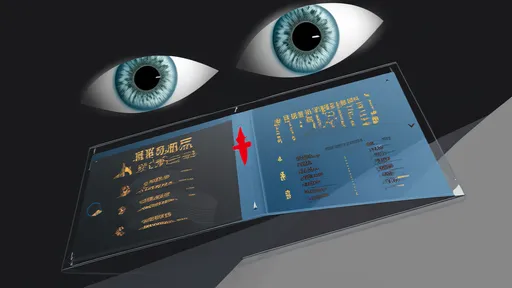
Eye-tracking technology, once confined to academic and research settings, has found a practical and powerful application in the culinary world. By using specialized hardware like infrared cameras or wearable devices, researchers can precisely monitor where a person's gaze lands on a menu, how long it lingers on each item, and the sequence in which elements are viewed. This quantitative data reveals patterns that are otherwise invisible to the naked eye. For instance, it can identify "dead zones" where customers rarely look or "hot spots" that attract immediate attention. These insights are invaluable for menu designers aiming to highlight high-margin items or promote specific dishes effectively.
The methodology behind these experiments is both rigorous and insightful. Participants are typically asked to review a menu as if they were deciding what to order in a restaurant, while eye-tracking equipment records their visual behavior. Metrics such as fixation duration (how long a person looks at an item), saccades (rapid movements between points), and scan paths (the route the eyes take) are analyzed. This data is often complemented with retrospective interviews where participants explain their choices, adding a qualitative layer to the quantitative findings. The combination allows researchers to understand not just where people look, but why they might skip over certain sections or return repeatedly to others.
One of the most significant findings from eye-tracking studies is the concept of the "golden triangle." Similar to principles in journalism or web design, this refers to the areas on a menu that naturally attract the most visual attention. In many cultures, this tends to be the upper right section when a menu is first viewed. However, this can vary based on menu layout—whether it's a single page, folded, or digital. By placing high-profit items within this golden triangle, restaurants can increase the likelihood of these dishes being ordered. Conversely, less profitable or less popular items can be positioned in low-traffic areas if the goal is to minimize their visibility.
Beyond mere placement, eye-tracking has revealed the profound impact of design elements on customer perception. Factors such as font size, style, color, and the use of boxes or icons can dramatically alter visual flow. For example, a dish highlighted with a bold font or a small graphic icon tends to receive more fixations, even if it's located outside the traditional golden triangle. This suggests that strategic design can override natural viewing patterns. Additionally, the presence of images has a mixed effect; while they can draw attention, they might also overwhelm the viewer or divert focus from text-based items, depending on their quality and placement.
The implications of these insights extend to both physical and digital menus. For printed menus, the findings encourage a thoughtful approach to layout, spacing, and emphasis. Digital menus, increasingly common in kiosks or tablet-based ordering systems, offer even more dynamic possibilities. Here, eye-tracking can inform not just static placement but also interactive elements like animations or pop-up descriptions that engage the customer's gaze in specific ways. The ability to A/B test different digital designs quickly with eye-tracking provides a significant advantage in optimizing for both engagement and sales.
However, applying these findings requires a nuanced understanding of the target audience. Demographic factors such as age, cultural background, and dining context can influence viewing patterns. For instance, younger patrons might scan menus more quickly and respond better to visual cues like emojis or color codes, while older diners may prefer clearer, larger text and a more straightforward layout. Similarly, the type of restaurant—fast casual versus fine dining—affects how customers approach the menu. Eye-tracking studies must therefore be tailored to the specific context to yield actionable results.
Ethical considerations also come into play. While optimizing menus to guide choices can boost business outcomes, it raises questions about manipulation. There's a fine line between helping customers discover dishes they might enjoy and steering them toward options primarily beneficial to the restaurant. Transparency in design intentions, such as using highlights to indicate chef recommendations or sustainable choices, can align business goals with customer trust. Ultimately, the most successful menus are those that balance profitability with a genuine enhancement of the dining experience.
Looking ahead, the fusion of eye-tracking with other technologies like artificial intelligence promises even deeper insights. AI can analyze vast datasets from eye-tracking experiments across diverse populations, identifying universal patterns and cultural specifics. This could lead to highly personalized digital menus that adapt in real-time based on a customer's gaze behavior, previous orders, or even expressed preferences. Such advancements could redefine menu engineering from a one-size-fits-all approach to a dynamic, interactive experience tailored to individual diners.
In conclusion, the marriage of eye-tracking technology and menu engineering represents a significant leap forward in understanding consumer behavior in restaurants. By moving beyond intuition and guesswork, operators can make data-driven decisions that enhance both customer satisfaction and operational efficiency. As this field evolves, it will continue to blend art and science, ensuring that the humble menu remains a powerful tool in the ever-evolving culinary landscape.
By /Aug 29, 2025

By /Aug 29, 2025

By /Aug 29, 2025

By /Aug 29, 2025

By /Aug 29, 2025

By /Aug 29, 2025

By /Aug 29, 2025

By /Aug 29, 2025

By /Aug 29, 2025
By /Aug 29, 2025

By /Aug 29, 2025

By /Aug 29, 2025
By /Aug 29, 2025

By /Aug 29, 2025

By /Aug 29, 2025

By /Aug 29, 2025
By /Aug 29, 2025
By /Aug 29, 2025

By /Aug 29, 2025

By /Aug 29, 2025
