As global food systems brace for the compounding pressures of population growth and climate volatility, the integration of climate-smart agricultural technologies has transitioned from a theoretical ideal to an operational necessity. The intricate dance of increasing yields, enhancing resilience, and reducing agriculture's environmental footprint demands a sophisticated, systems-level approach. This is not merely about adopting a new piece of hardware or software; it is about fundamentally re-architecting the agricultural lifecycle through strategic technological fusion.
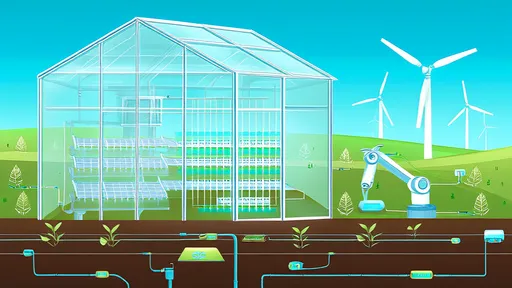
The foundation of any climate-smart system is precise, real-time data. The proliferation of low-cost sensors and the Internet of Things (IoT) has enabled a revolution in field-level monitoring. These devices, strategically placed across farms, continuously gather critical data on soil moisture, nutrient levels, temperature, and humidity. This constant stream of information creates a digital twin of the physical farm, providing an unprecedented understanding of the agro-ecosystem. This data is the essential fuel that powers all subsequent decision-making and automated processes, moving farming from a practice based on tradition and intuition to one guided by empirical evidence.
To make sense of this vast and complex dataset, artificial intelligence and machine learning algorithms have become indispensable. These advanced computational tools analyze historical and real-time data to identify patterns, predict outcomes, and prescribe actions. For instance, machine learning models can forecast pest outbreaks based on weather patterns and historical infestation data, allowing for targeted, preemptive interventions that minimize pesticide use. Similarly, AI can optimize irrigation schedules not just based on current soil moisture, but on predicted evapotranspiration rates and upcoming rainfall, ensuring every drop of water is used with maximum efficiency. This layer of predictive intelligence transforms raw data into actionable wisdom.
The physical execution of these data-driven decisions falls to automation and robotics. Autonomous tractors and drones are no longer futuristic concepts but are increasingly present in modern fields. These machines translate digital prescriptions into physical actions with superhuman precision. A drone can apply fertilizer or pesticides only to the specific plants that need it, drastically reducing chemical runoff. Autonomous planters can place seeds at the optimal depth and spacing for a given soil type, improving germination rates. This mechanization not only boosts efficiency and reduces the reliance on manual labor but also ensures that the nuanced strategies devised by AI are executed flawlessly in the variable conditions of the field.
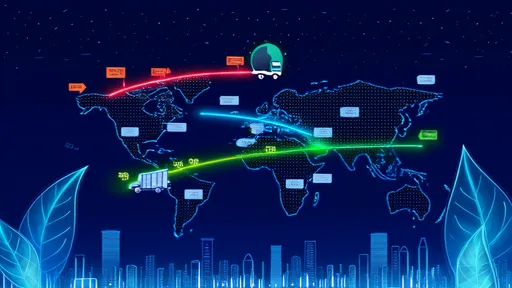
Beneath it all, connecting the sensors, the AI, and the machines, is a robust digital infrastructure. High-speed connectivity, whether through expanded rural broadband, 5G networks, or satellite internet, is the central nervous system of the smart farm. It allows for the seamless, real-time transfer of massive data packets between cloud-based analytics platforms and machinery in the field. Furthermore, blockchain technology is emerging as a critical tool for enhancing traceability and transparency. It can create an immutable record of a crop's journey from seed to shelf, documenting every input and environmental condition, which is invaluable for verifying sustainable practices for consumers and regulators.
Perhaps the most transformative integration lies in closed-loop systems that connect crop and livestock production. Here, technology facilitates a circular economy. Anaerobic digesters, for example, can convert livestock manure and crop residues into biogas for renewable energy and nutrient-rich digestate that can be returned to the fields as organic fertilizer. Sensors monitor the methane production and soil nutrient levels to optimize the entire process. This not only manages waste and reduces greenhouse gas emissions but also creates a self-sustaining loop that decreases the farm's dependence on external synthetic fertilizers and fossil fuels.
Ultimately, the success of these technological integrations hinges on the human element. The farmers and agronomists who manage these systems require new skills and continuous support. Digital literacy is as crucial as soil literacy. Therefore, the technology stack must include intuitive user interfaces, decision-support dashboards, and accessible training platforms. The goal is to augment human expertise, not replace it, empowering farmers with clear insights and confidence in the recommendations provided by their digital tools.
The path forward is not without significant challenges. High initial investment costs, concerns over data ownership and privacy, and the need for significant technical training present substantial barriers to adoption, especially for smallholder farmers. The technology itself must continue to evolve, becoming more affordable, interoperable, and resilient enough to function in the harsh conditions of a farm. Success will depend on collaborative efforts between technologists, agronomists, policymakers, and farmers themselves to create ecosystems that support widespread and equitable adoption.
In conclusion, predicting the future of food systems points unequivocally toward deeply integrated, climate-smart agriculture. This is a holistic journey of weaving together data acquisition, artificial intelligence, automated machinery, and digital infrastructure into a cohesive, intelligent whole. The result is a responsive, adaptive, and precise agricultural system capable of nourishing a growing population while stewarding the planet's resources. This technological integration is the most promising roadmap to a sustainable and food-secure future.
By /Aug 29, 2025
By /Aug 29, 2025
By /Aug 29, 2025

By /Aug 29, 2025

By /Aug 29, 2025
By /Aug 29, 2025
By /Aug 29, 2025
By /Aug 29, 2025

By /Aug 29, 2025
By /Aug 29, 2025

By /Aug 29, 2025

By /Aug 29, 2025

By /Aug 29, 2025

By /Aug 29, 2025

By /Aug 29, 2025
By /Aug 29, 2025

By /Aug 29, 2025

By /Aug 29, 2025

By /Aug 29, 2025
By /Aug 29, 2025
